Skip to content

Industrial & Physical AI Product Leadership

Product and operational decisions in industrial markets.

For companies developing industrial products and the businesses operating them. Start with the product, platform or workflow that needs to change; the sector provides context.

Choose the operating context before the engagement

A possible decision sequence
  1. Find your market and use case

  2. Inspect the evidence and its limits

  3. Scope the responsibility needed

Use this decision path to frame the scope. The links below let you inspect the work and discuss a relevant engagement.

Primary markets

Manufacturing and automation, connected mobility, and energy and charging are the focus. Each dossier connects product choices with the people, operating conditions and evidence that shape them.

See the cross-sector software-defined practice
Primary market

Manufacturing & Industrial Automation

From a capable cell or model to a repeatable product for real lines and operators

Buyer moment
A model, cell or pilot performs in controlled conditions, but the team cannot yet show that it survives line variation, operator reality, plant integration or repeat deployment.
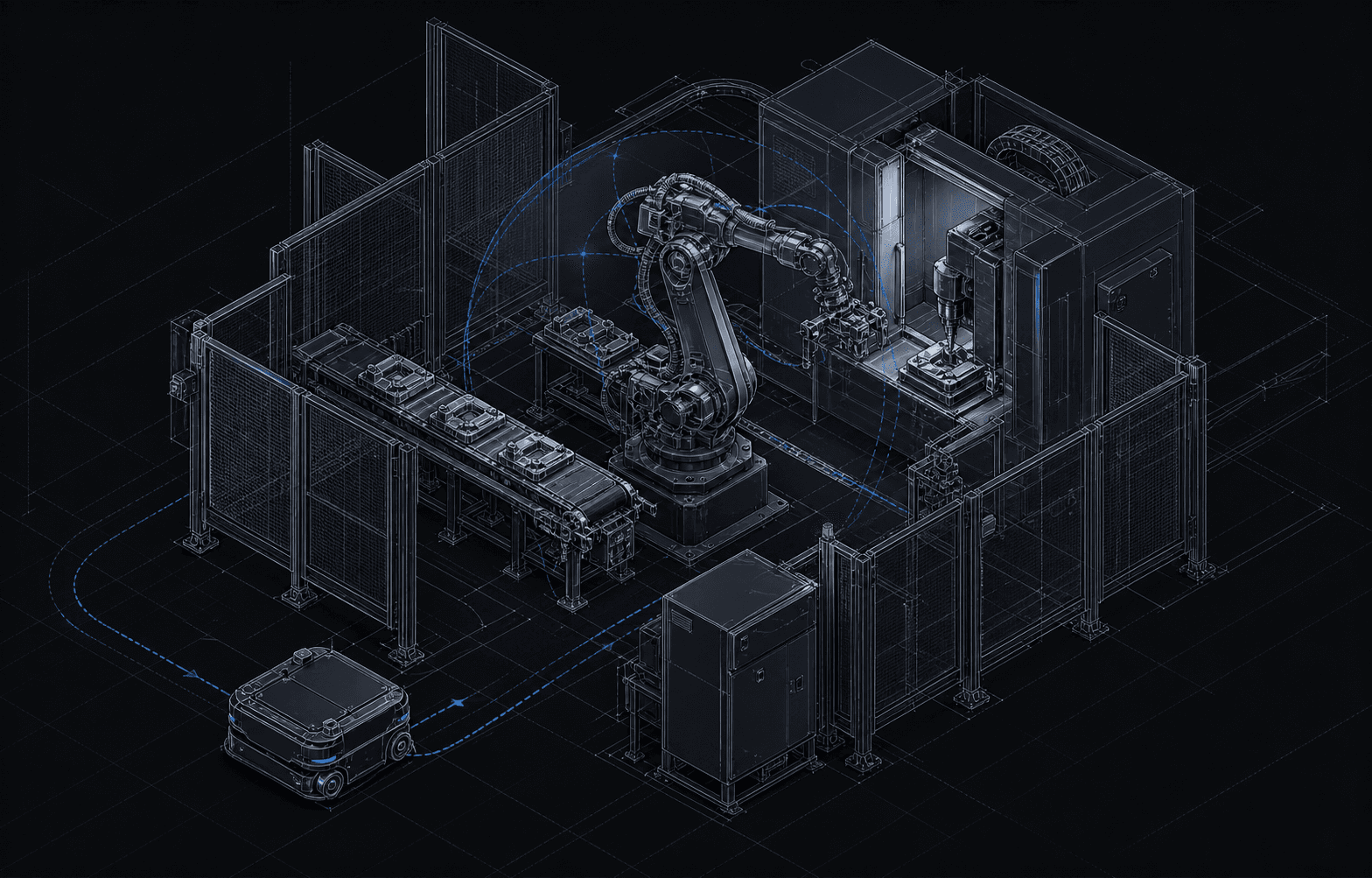
Physical system boundary for Manufacturing & Industrial AutomationThe product is not the model or robot cell. It is the repeatable operating system around the cell: integration, human authority, service, change control and viable per-line economics.PHYSICAL + RUNTIME SYSTEMProduct boundaryHUMAN + OPERATING SYSTEM01Sense02Evaluate03Edge04Control05Operator06Plant07Service08Product
  1. 01SenseVision, force and process signals
  2. 02EvaluateModel, data and failure-set evaluation
  3. 03EdgeRuntime compute and application logic
  4. 04ControlPLC, robot controller and safety layer
  5. 05OperatorHMI, override and degraded mode
  6. 06PlantMES, SCADA, quality and scheduling
  7. 07ServiceDeployment kit, maintenance and change control
  8. 08ProductPer-line value, utilisation and support model
The product is not the model or robot cell. It is the repeatable operating system around the cell: integration, human authority, service, change control and viable per-line economics.
Open the decision dossier
Primary market

Automotive, Software-Defined Vehicles & Connected Mobility

One product boundary across vehicle, software platform, release, market and post-sale operation

Buyer moment
A software-defined or connected function works in one programme or market, but vehicle, software, cloud, commercial, release and after-sales roadmaps do not yet form one product that is owned across its life.
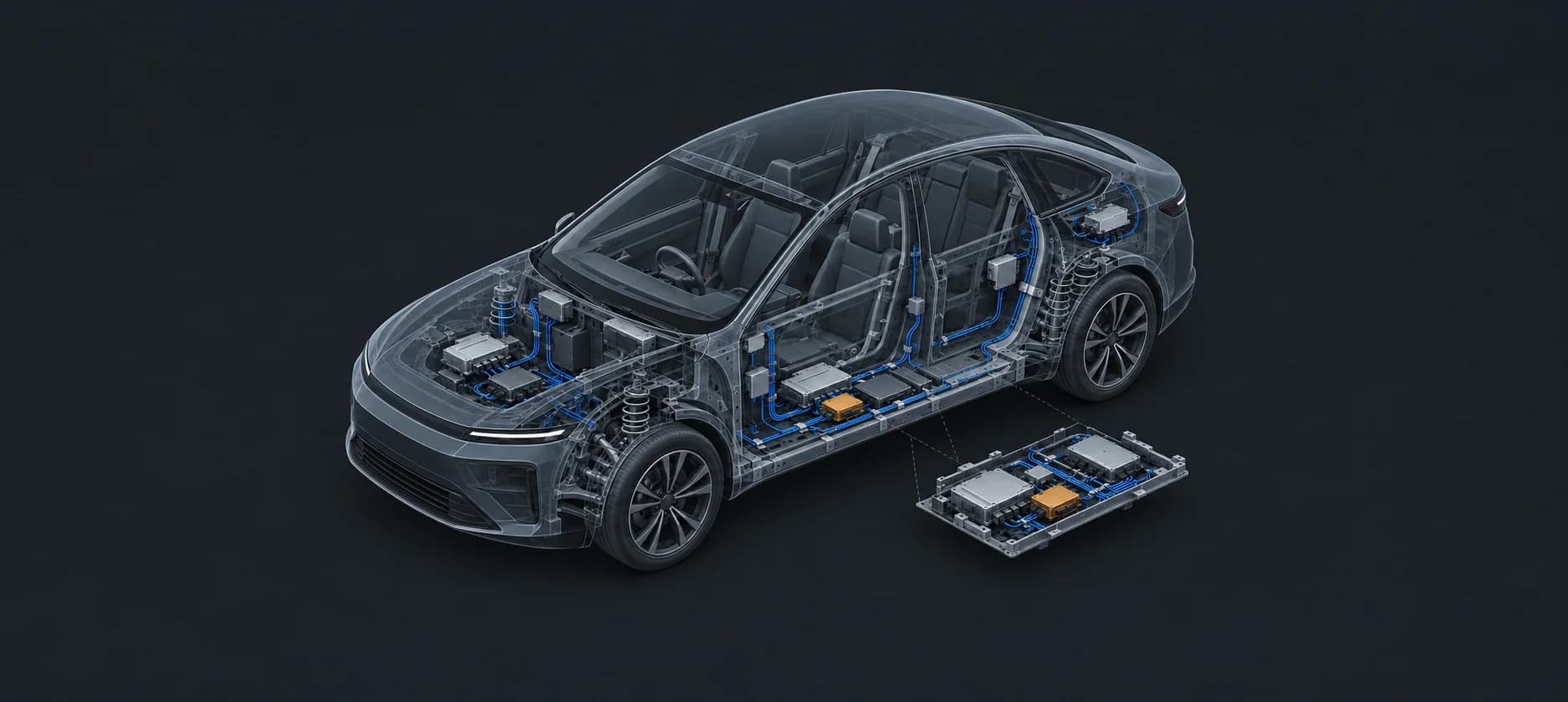
Physical system boundary for Automotive, Software-Defined Vehicles & Connected MobilityA software-defined vehicle is first a product, platform and release question, not an autonomy claim. The decisive boundary is not cloud versus vehicle. It is ownership across vehicle programme, software platform, market launch, dealer or service operation and the full post-sale lifecycle.PHYSICAL + RUNTIME SYSTEMProduct boundaryHUMAN + OPERATING SYSTEM01Vehicle02Edge03Connect04Platform05Customer06Market07Service08Lifecycle
  1. 01VehicleSensors, ECUs and in-vehicle functions
  2. 02EdgeIn-vehicle software and inference
  3. 03ConnectTelematics, identity and data contracts
  4. 04PlatformCloud services, fleet state and releases
  5. 05CustomerApp, cockpit and consent
  6. 06MarketLaunch, entitlement and local requirements
  7. 07ServiceDealer, diagnostics and post-sale support
  8. 08LifecycleFleet learning, OTA and product economics
A software-defined vehicle is first a product, platform and release question, not an autonomy claim. The decisive boundary is not cloud versus vehicle. It is ownership across vehicle programme, software platform, market launch, dealer or service operation and the full post-sale lifecycle.
Open the decision dossier
Primary market

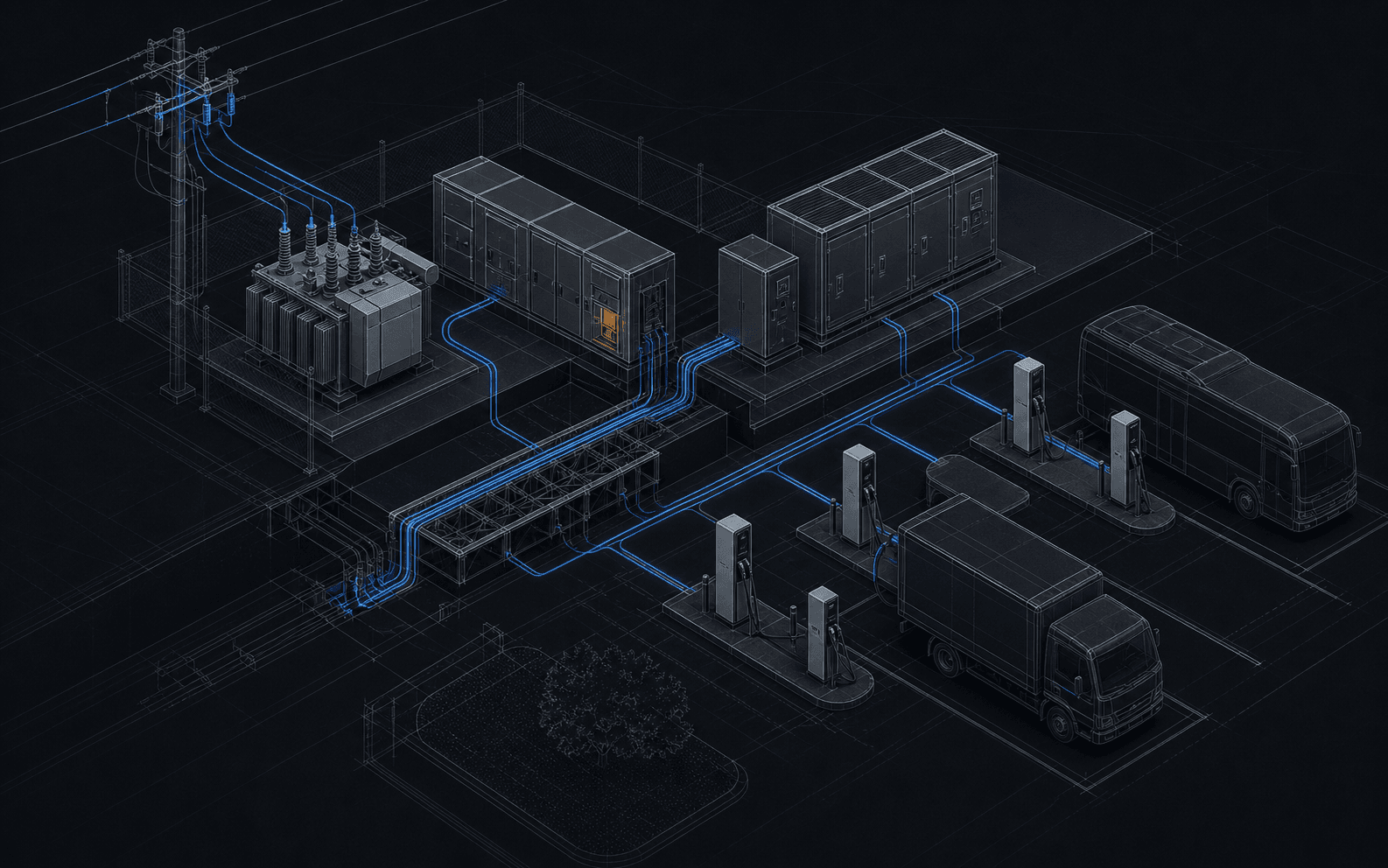
Energy, EV Charging & Infrastructure

Whole-fleet reliability, field operations and economics—not model performance alone

Buyer moment
A charger, optimisation model or diagnostic capability works technically, but fleet economics, technician workflow, interoperability and software–hardware ownership remain fragmented.
Physical system boundary for Energy, EV Charging & InfrastructureOptimising a model is secondary to optimising the deployed product fleet: asset availability, field recovery, energy constraints, interoperability and whole-life service cost must move together.PHYSICAL + RUNTIME SYSTEMProduct boundaryHUMAN + OPERATING SYSTEM01Asset02Edge03Connect04Platform05Energy06Operator07Field08Fleet
  1. 01AssetCharger, meter, storage and local generation
  2. 02EdgeFirmware, diagnostics and local control
  3. 03ConnectProtocols, identity and offline behaviour
  4. 04PlatformCharging management and orchestration
  5. 05EnergyGrid, tariffs, flexibility and constraints
  6. 06OperatorNetwork operations and human authority
  7. 07FieldTechnician, spares and recovery
  8. 08FleetAvailability, revenue and lifecycle cost
Optimising a model is secondary to optimising the deployed product fleet: asset availability, field recovery, energy constraints, interoperability and whole-life service cost must move together.
Open the decision dossier

Cross-industry system

Intelligent machines are a system context—not an industry.

Robotics and autonomy cross every primary market.

The same product question recurs in a factory cell, a connected vehicle and a charging fleet: what may the machine decide, what evidence earns that authority, and who owns the outcome when the physical world disagrees?

Explore intelligent machines

Adjacent sectors

These are adjacent application areas to assess case by case. The dossiers describe researched relevance; they do not establish client delivery, sector credentials or clearance.

Adjacent sector

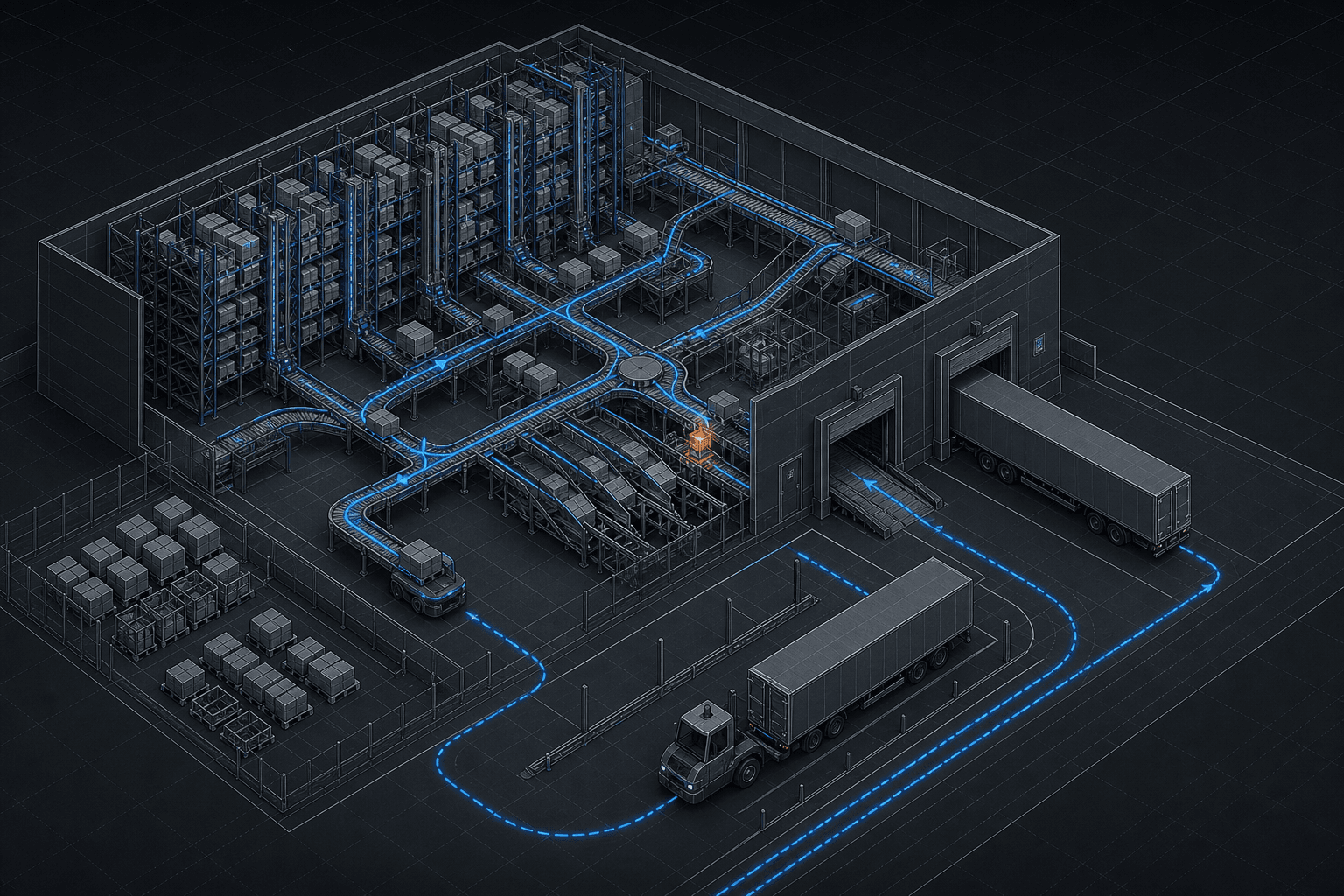
Intralogistics & Warehouse Automation

Autonomous equipment works in a bounded trial, but mixed fleets, traffic rules, shifts, sites and service partners make repeat operation a different product problem.

Read the sector dossier
Adjacent sector

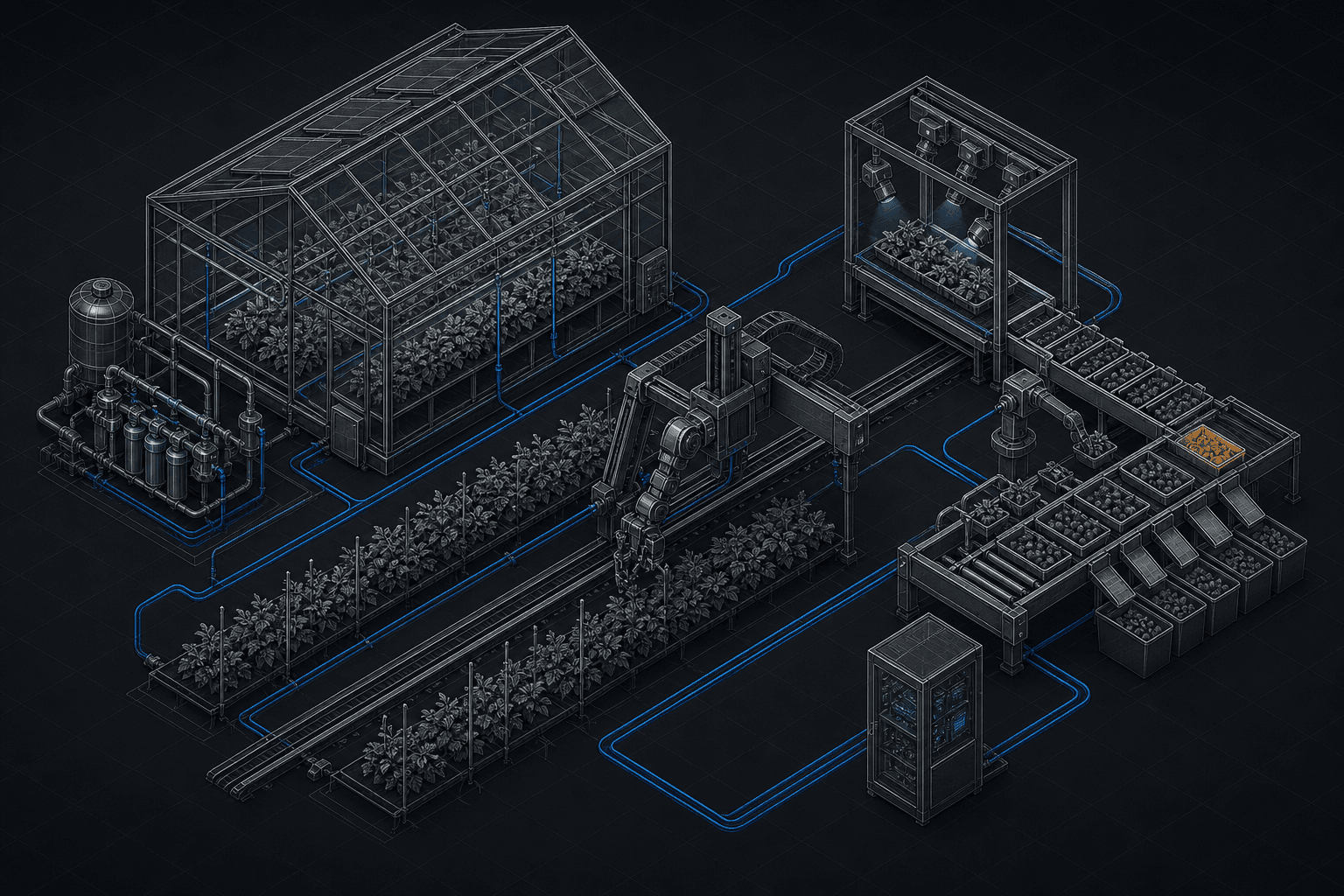
Agrifood & Horticulture Robotics

A perception or manipulation system works in a limited trial, but biological variability, seasonality, labour workflow and a narrow operating window threaten the product case.

Read the sector dossier
Adjacent sector

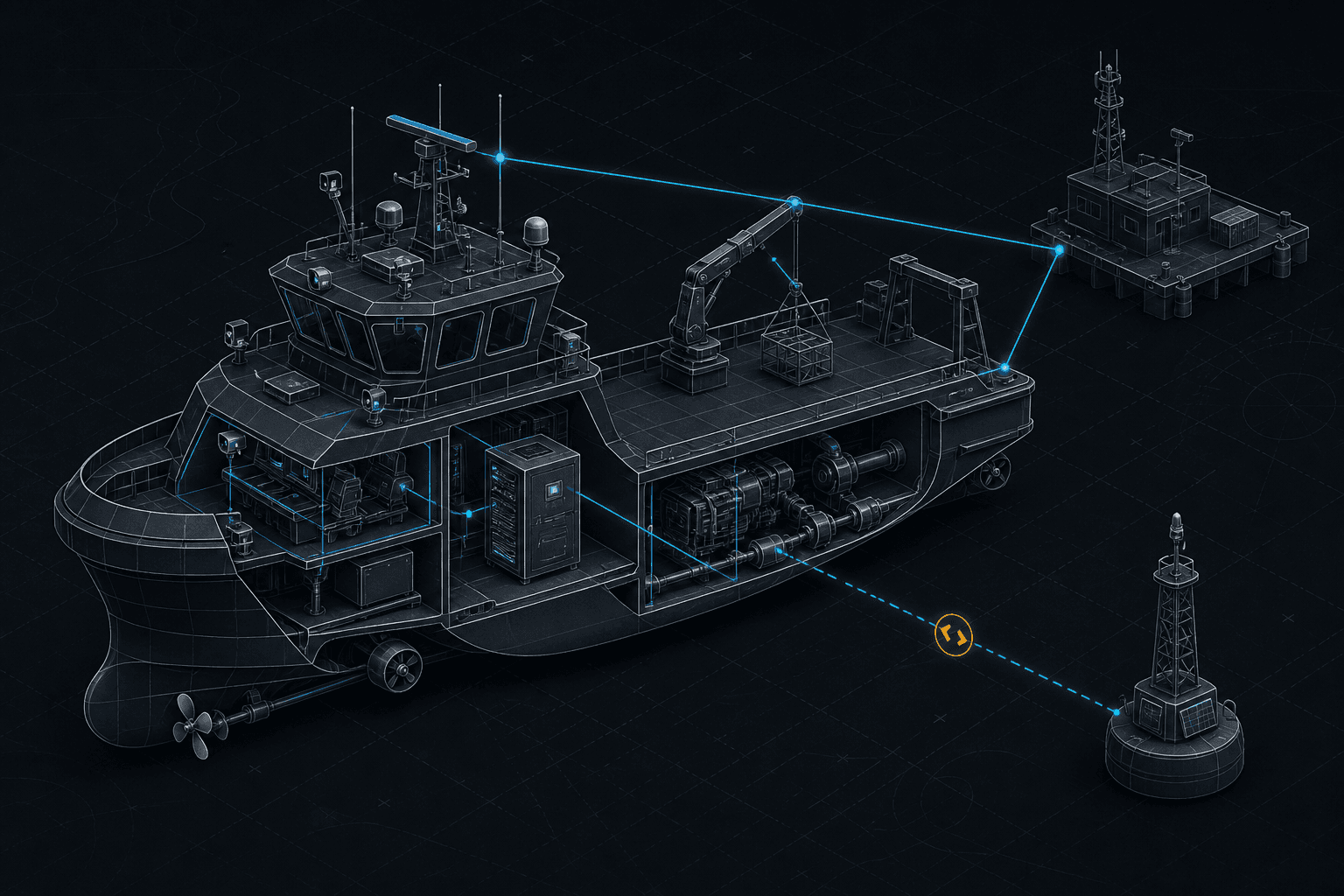
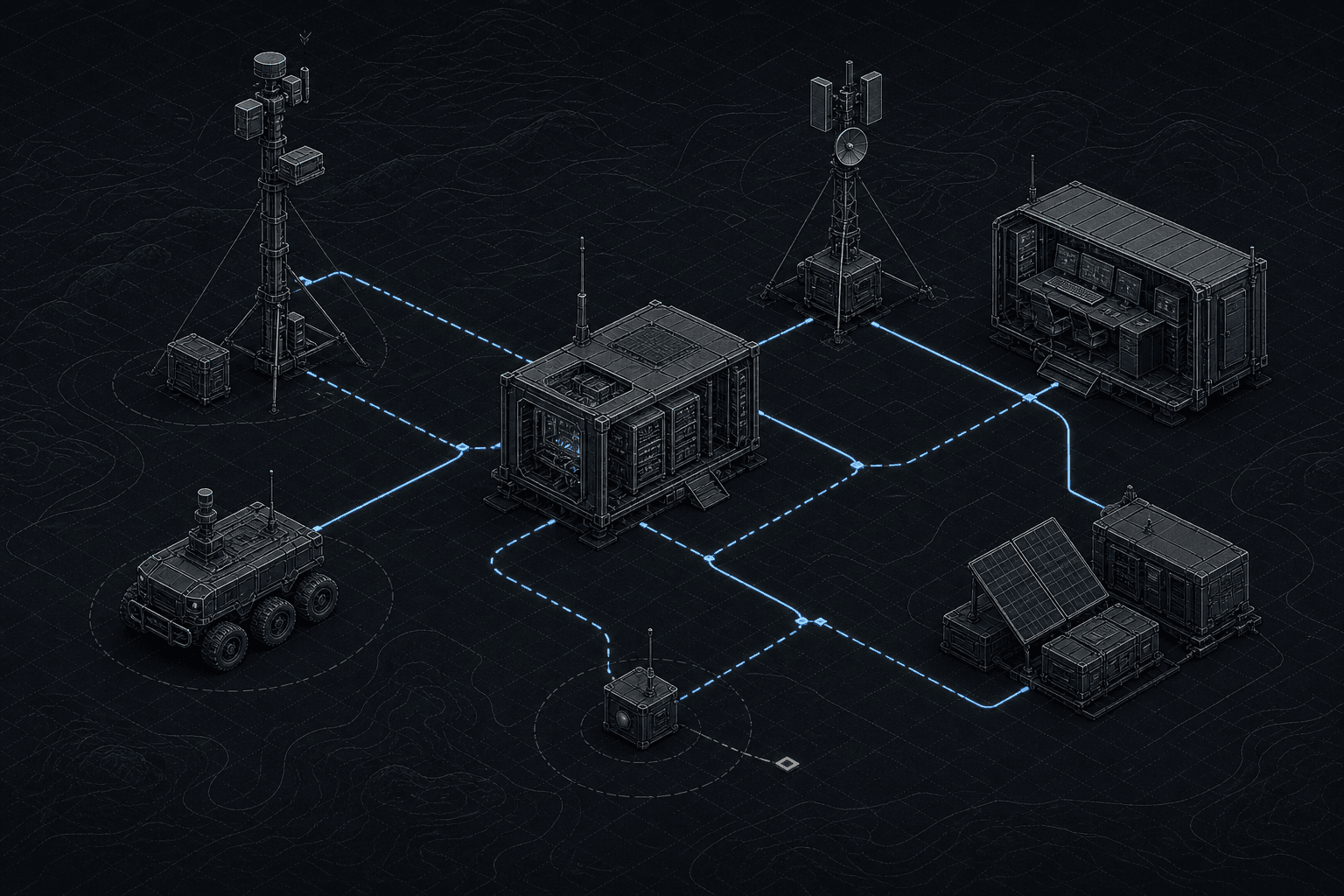
Maritime & Remote Field Operations

A remote or autonomous system must create useful mission value despite intermittent communications, expensive intervention and environmental uncertainty.

Read the sector dossier
Adjacent sector

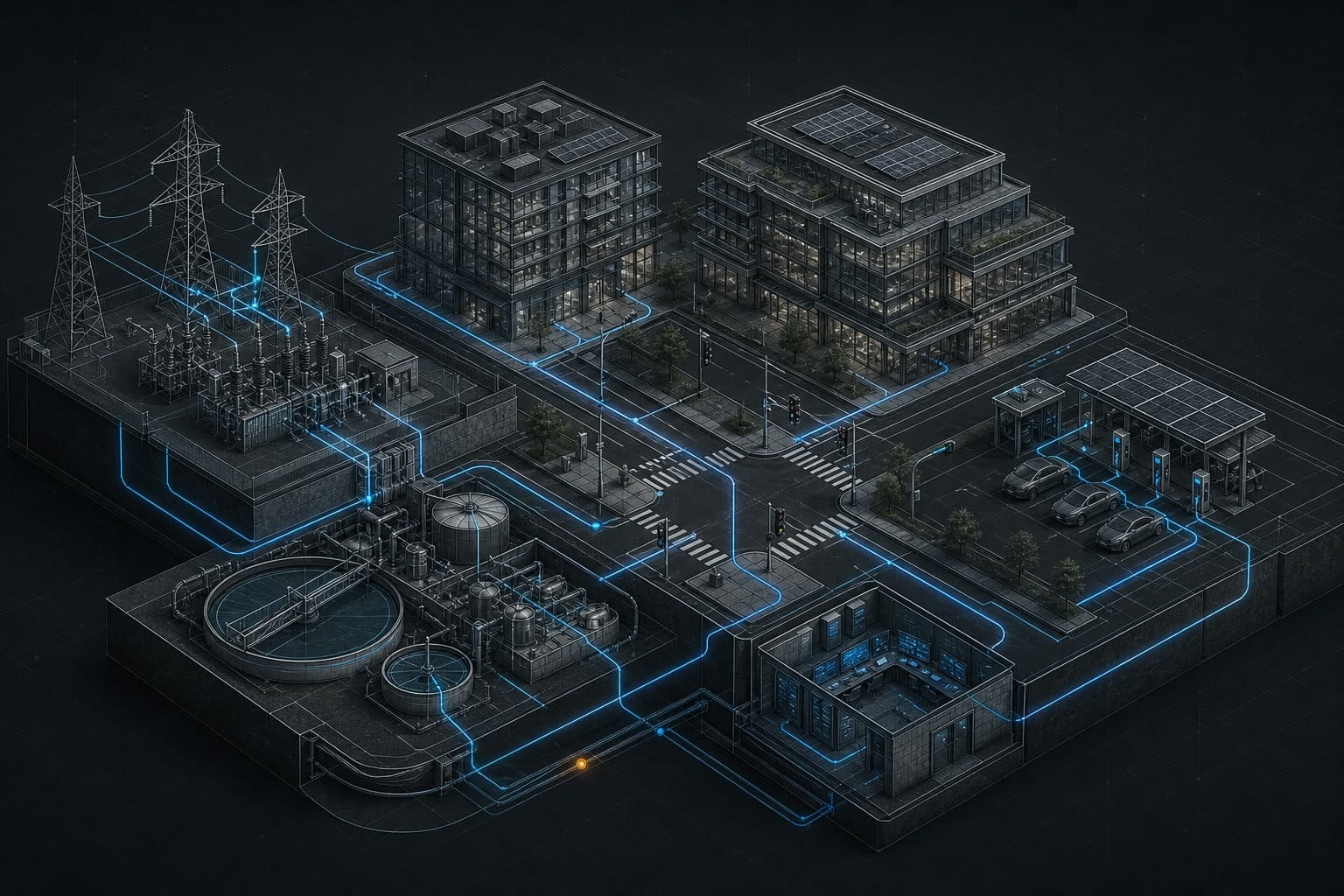
Smart Infrastructure & Urban Systems

Mobility, energy, buildings and public-space pilots work inside their own silos, but no accountable owner can show that their interfaces, data rights, emergency modes, procurement boundaries and lifecycle economics form one operable urban system.

Read the sector dossier
Adjacent sector

Defence, Resilience & Dual-Use Systems

An unclassified or dual-use capability works in a demonstration, but mission context, degraded operation, accountable human authority, trusted data, test evidence and through-life sustainment do not yet form one deployable product decision.

Read the sector dossier

Inactive contexts

Government, aerospace and space are not presented as active industry offers. Existing URLs redirect here until a narrowly scoped, independently reviewed evidence case justifies publication.

Bring the blocked decision

What needs to change in your product or operation?

Describe the product, platform or workflow, the decision you face and what is blocking progress. A few sentences are enough to start a conversation about fit and the next step.

Discuss your project